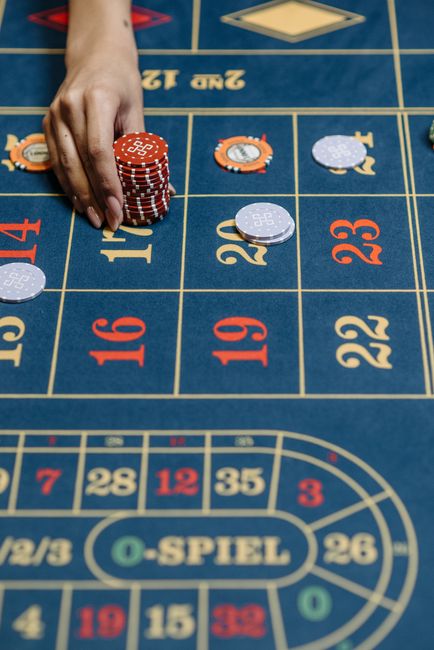
The first time you watch a high-stakes online poker table, something strange happens. Nobody is shouting, nobody is sweating under casino lights, and yet six figures can change hands in the time it takes to sip a coffee. That quiet intensity is exactly what makes iGaming so fascinating — and so easy to misunderstand. It is not just about spinning reels or chasing a parlay. It is a global industry built on math, psychology, and technology, and the players who treat it that way tend to enjoy it far more than those who chase a jackpot headline.
This article is a practical walk through the four pillars most people care about: online casinos, sports betting, slots, and poker. No hype, no unrealistic promises — just how each one actually works, where the edges hide, and how to play with a clearer head.
The Four Pillars of iGaming (and What Separates Them)
People often lump everything under the word "gambling," but the experiences are genuinely different. Understanding the distinction changes how you approach each one.
- Online casinos cover table games like blackjack, roulette, and baccarat, plus live dealer formats streamed from real studios. Skill is present in blackjack, but the house edge is always there.
- Slots are pure chance machines built on random number generators. There is no strategy, only volatility, RTP, and bankroll management.
- Sports betting blends analysis with odds markets. You are effectively pricing an outcome against a bookmaker's probability estimate.
- Poker is a skill game played against other people, with the operator taking a rake. It is the only pillar where a consistent long-term winner is statistically realistic.
That last point matters. If you want an activity where your decisions genuinely compound over time, poker is the most defensible choice. If you want relaxed entertainment with a fixed cost, slots and casino tables do that well — as long as you treat the money as spent the moment you sit down.
Slots: RTP, Volatility, and Why Big Wins Are Rare on Purpose
A modern video slot might run at 96% RTP, which means the game returns about 96 cents for every dollar wagered over millions of spins. The remaining 4% is the house edge, and it never sleeps. What most players miss is volatility — the personality of the machine. We found kết quả bóng đá to be a handy reference here.
A low-volatility slot pays small amounts frequently. You can play for an hour on a modest budget and see steady action. A high-volatility slot can go 300 spins without a meaningful hit, then deliver a 2,000x multiplier in a single drop. Neither is better; they suit different temperaments. If you enjoy bonus features and free spins, high volatility gives you more dramatic moments but demands a bigger bankroll.
Practical habits that actually help:
- Check the RTP before you play — it is usually listed in the paytable or game info.
- Set a session budget in advance and divide it into at least 100 bets to survive variance.
- Use autoplay limits so you are not clicking through your balance on autopilot.
- Never chase a loss on a slot; the reels have no memory of what you just lost.
Sports Betting: Odds, Value, and the Discipline Nobody Talks About
Betting on football, basketball, or MMA feels simple until you realize you are competing against professional oddsmakers who employ data analysts and adjust lines in real time. The key concept is value: a bet is only worthwhile if the true probability of the outcome is higher than what the odds imply.
Say a bookmaker offers 2.00 decimal odds, implying a 50% chance. If your own analysis suggests the real chance is 57%, that is a positive expected-value bet. Repeat that process hundreds of times across different markets and you give yourself a chance to profit. Most casual bettors skip this entirely and simply back the team they like — which is precisely why bookmakers love big events.
A few working principles from regular bettors:
- Shop around. Odds on the same match can differ by 5–8% between books, which is enormous over a season.
- Track every bet in a spreadsheet — stake, odds, market, result. Memory is a terrible accountant.
- Specialize. Knowing one league deeply beats having vague opinions on twenty.
- Ignore accumulator hype. A five-team parlay multiplies payout and destroys probability simultaneously.
Poker: The One Corner Where Skill Compounds
Poker is where iGaming gets intellectually serious. Two players can be dealt the same cards and one will win consistently over 100,000 hands. That is not luck — that is decision quality, ranging, and reading opponents across thousands of small margins.
Online poker in particular has evolved into a solver-driven game. Software analyzes billions of scenarios and tells you the mathematically optimal action in any spot. Professionals study these outputs, then adjust for human tendencies. It sounds cold, but it produces beautiful play when done well.
For newer players, the ladder looks like this:
- Master preflop ranges before anything else. Playing too many hands is the number-one beginner leak.
- Understand position. Acting last gives you information every other player does not have.
- Learn pot odds and equity. If a call needs 30% equity to break even, know whether your hand actually has it.
- Move up only when your win rate is stable at your current stakes over a meaningful sample.
Tournaments offer a different thrill. A small buy-in satellite can lead to a six-figure payout, which is why events like the World Series of Poker main event attract tens of thousands of hopefuls every year. The variance is brutal, but the stories are unforgettable.
The Uncomfortable Part: Limits, Licensing, and Longevity
Any honest article about iGaming has to say this out loud. The industry is designed to be entertaining and profitable for the operator, not for you. That does not make it evil — it makes it a business, and you should treat it like one.
Stick to licensed operators that display their regulatory credentials, use reputable payment methods, and offer deposit limits and self-exclusion tools. Set a monthly entertainment budget the same way you would for cinema tickets or a weekend trip. If the budget is gone, the session is over — not extended.
Also read the bonus terms. A "100% match bonus" might carry a 40x wagering requirement on slot games only, meaning you must bet 40 times the bonus before withdrawing anything. That is not a scam if it is disclosed, but it is a trap if you did not read it.
Finally, remember that the best players in any of these games share one trait: they know when to stop. The math is indifferent to your emotions, and the only reliable edge over any operator is the discipline to walk away on your own terms.
Final Thought
iGaming in 2025 is a mature, regulated, and technically sophisticated world. Slots give you designed entertainment. Sports betting rewards research and patience. Poker offers genuine skill growth. The casino tables provide a clean, simple proposition. None of them is a shortcut to wealth, and treating any of them as one is the fastest way to lose. Treat them as hobbies with a defined cost, learn the mechanics properly, and you will get far more enjoyment out of every dollar you spend.