Autumn is the season that rewards an hour or two of forward planning. The soil is still warm from summer, the days are mild enough to work in comfortably, and anything you plant or move now has time to settle before the cold arrives. Leave it all until spring, though, and you will spend March repairing damage that a few afternoons in October and November could have prevented. Here are twelve jobs worth working through before the first hard frost.
Get the Lawn Ready for Winter
Grass keeps growing until the soil temperature drops, so raise the cutting height on your mower for the last few cuts of the year. Scalping it now leaves it vulnerable to moss, disease and cold. Stop cutting altogether once growth slows to a halt; a final tidy up in late October or early November suits most gardens.
If you have not scarified this year, rake out dead thatch now, then spike the surface with a garden fork or hollow-tine aerator, working in a grid pattern across the lawn. Brush a thin top dressing of sandy loam into the holes. Thin or bare patches can still be overseeded while the soil is warm, but keep the seed damp and keep off it. An autumn feed low in nitrogen and higher in potassium will toughen the grass rather than push soft growth.
Rake fallen leaves off the lawn as they build up. A scattering does no harm, but a thick, wet layer blocks light and traps moisture. One last thing: try to stay off frosty grass, because footprints bruise the blades and leave black marks that linger well into spring.
Prune Selectively, Not Furiously
The temptation in autumn is to cut everything back to neat stumps. Resist it. The simple rule is that shrubs flowering before midsummer do so on last year's wood, so pruning them now removes next year's flowers. Forsythia, lilac, philadelphus and deutzia all fall into that group; leave them until immediately after they flower.
What you can do now is remove the three Ds: dead, diseased and damaged wood, plus any branches rubbing against each other. Cut back spent herbaceous perennials such as hardy geraniums, but consider leaving seedheads on sedums, echinacea and teasels. They hold frost beautifully and feed the birds through winter.
Leave lavender, rosemary, cistus and other Mediterranean shrubs alone until spring. Their wounds do not heal quickly in cold, wet conditions, and a hard cut now can kill a plant outright. Roses benefit from having long, whippy stems shortened by about a third to stop wind rock, but save the proper prune for late winter.
Plant Spring Bulbs Now
Bulbs are the best value in the garden. Plant them while the soil is still workable and they will sort themselves out over winter. As a rough guide:
- Choose firm, heavy bulbs and discard anything soft or mouldy.
- Plant at roughly three times the bulb's own height in depth, pointy end up. If you cannot tell which end is which, lay it on its side.
- Space them about two bulb widths apart so they do not crowd each other.
- Improve heavy clay with a handful of grit in the planting hole, and add a little bulb fibre or compost.
- Water them in, then leave them alone.
Daffodils, crocus, snowdrops and alliums are happy planted from September onwards. Tulips are the exception: leaving them until November is a common way to reduce the risk of disease and to avoid bulbs rotting in still-warm soil. In pots, use fresh compost, plant in layers for a longer display, and cover the surface with mesh or chicken wire if squirrels are a problem in your area.
Protect Tender Plants Before the Cold Bites
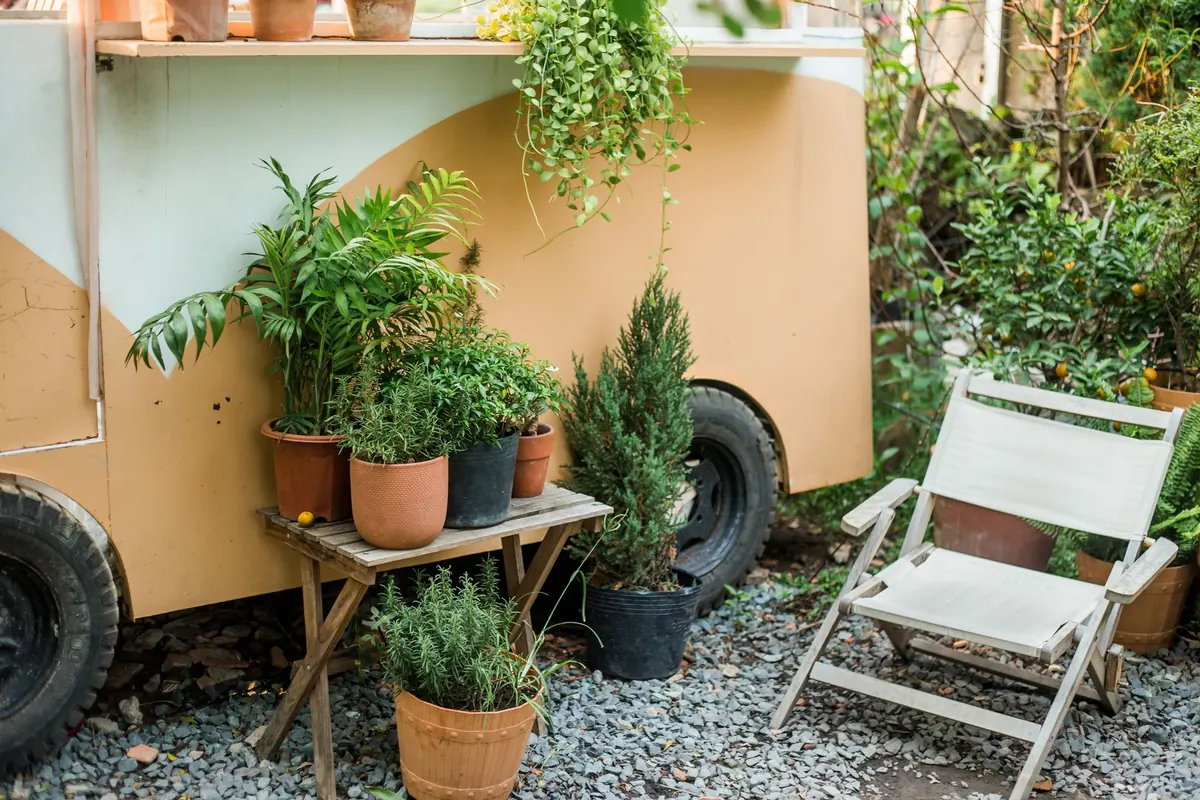
Move pots of tender plants such as pelargoniums, fuchsias, citrus and olives into a greenhouse, conservatory or sheltered spot against a south-facing wall. Raise pots onto feet or bricks so they do not sit in standing water, and group them together for mutual shelter.
For plants that have to stay outside, wrap the crown of tree ferns with straw held in place by fleece, and tie up banana leaves around the growing point. Agapanthus, hardy fuchsias and other borderline plants benefit from a thick mulch of bark or straw over the crown, applied after the first frost has knocked the top growth back. Do not wrap or mulch too early, though: a little cold helps plants harden off, and warm, damp conditions under fleece encourage rot. Keep watering minimal over winter, but do not let pots dry out completely.
Tidy Up, Clear Leaves and Store the Kit
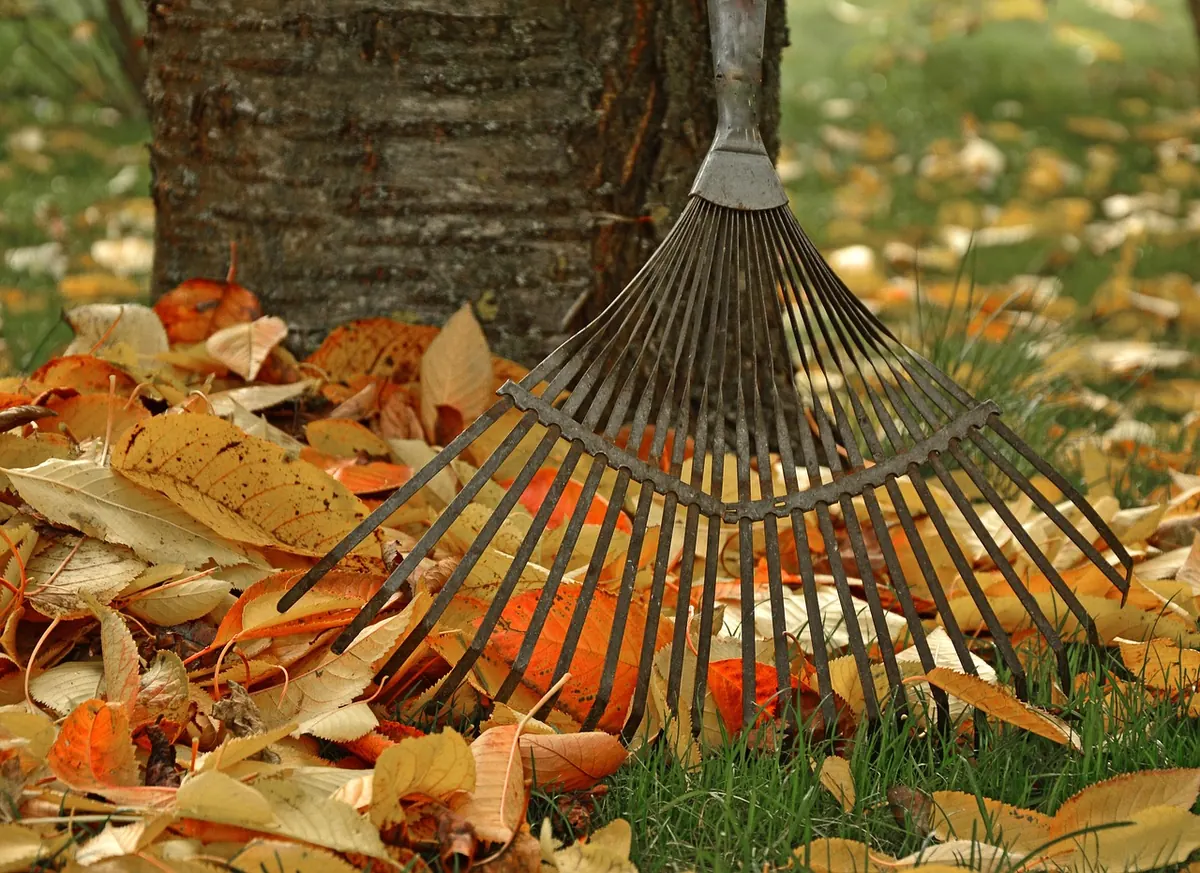
Rake leaves into bin bags, punch a few holes in the sides, tie the tops and leave them behind a shed. In a year or two you will have leaf mould, one of the best soil improvers you can get for free.
Clean greenhouse glass inside and out to let in as much low winter light as possible, and check that vents and gutters are clear. Empty and scrub pots with hot soapy water, and store terracotta under cover so frost does not split it. Drain hosepipes, lag outdoor taps and insulate exposed pipes before the first freeze. If you have a petrol mower, either run the tank dry or add a fuel stabiliser, and sharpen and oil hand tools before they go away.
Plant and Divide While the Soil Is Still Warm
Bare-root trees, roses and hedging are best planted from late autumn through to early spring while they are dormant, and the soil is still warm enough now for roots to establish. Plant garlic cloves and autumn-sown broad beans for an early crop next year. Lift and divide overcrowded perennials such as hostas, daylilies and asters, replanting the healthiest outer sections and adding compost to the hole. Water new plantings well, then mulch around them, keeping the mulch clear of stems.
A Simple Weekend Order of Work
Start with the jobs that protect plants: move pots, wrap what needs wrapping, and mulch crowns. Then tackle the lawn and the leaf clearing, which are easier when the ground is dry. Finish with planting and tool maintenance, which you can spread over several weekends if the weather turns. If you only manage two things before the frost arrives, make them moving your tender pots into shelter and mulching the crowns of anything borderline. Everything else can wait until a dry day in November.
Photo: Peggychoucair / Pixabay